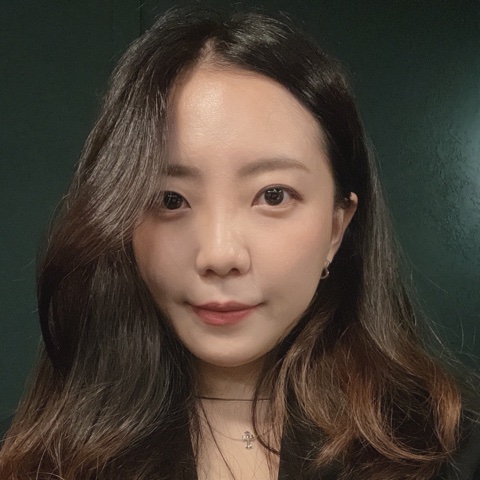
i'm obsessed with bringing new things into new markets. it comes from the questions i can't stop asking.
"why does media need a publisher's approval?" "why do emoticons always have to be cute?" "could we exchange value in a completely different way?"
at kakao and coinone, i learned how to take things from 10 to 100, with systems already in place. then i went back to 0 to 1, starting my own company.
after dozens of pivots, i'm doing it again at scailout. i guess i've always been doing the same thing: questioning what's already there, and helping people see what else is possible.
see moresee less
2013
my first job was at a startup that made happenin, a photo app for twitter. that same year, i went to sxsw with the team to introduce it, alongside six other korean startups. i'd majored in journalism and mass communication, and i was sure things like this would be the next media. later, this turned out to be the first dot.
2013–14
next came an accelerator. in my second year of work, i was a manager helping more than 20 korean teams get to silicon valley. the founders i met there had a conviction i'd never seen up close. i decided i'd be one of them someday. just not yet. first, i wanted to get good.
2014–20
so i went to kakao, korea's whatsapp. i started in marketing for new platforms, then led product marketing for kakaotalk emoticons. i kept asking, "why do emoticons always have to be cute?" and worked on expanding how people saw and used them. a whole new market opened up there: by 2017, 24 creators were each doing over ₩1 billion a year in emoticons. after that, i led growth marketing at coinone, a crypto exchange. i kept wondering whether a new blockchain system could be the future of finance. every new coin felt like introducing a different world, sometimes even a different way of organizing people and communities. my job was to help people understand what made each one different, through content and marketing. i got pretty good at taking things from 10 to 100, and from 100 to 1,000.
2020–23
at a shared-kitchen company, i led a new business group of 25. restaurant owners kept telling me the same thing: "we can't find people." now i had my problem. with the best people from that team, i started my first company, a hiring service for f&b. we went to culinary high schools and job fairs. but we didn't really understand job seekers, and i wasn't ready. going from 0 to 1 turned out to be a different job. in the end, i was the only founder left.
2023–
the second time, i started by finding a co-founder, and i skipped my friends. friends are easy to convince, but your customers are strangers. i met robert through antler, a founder-matching program. he's our cto. together we started in10s lab and hired the team through a real hiring process. interviewing is my favorite part of work, so we built jiwon, an ai talent-scouting service, and got into tips.
2025–
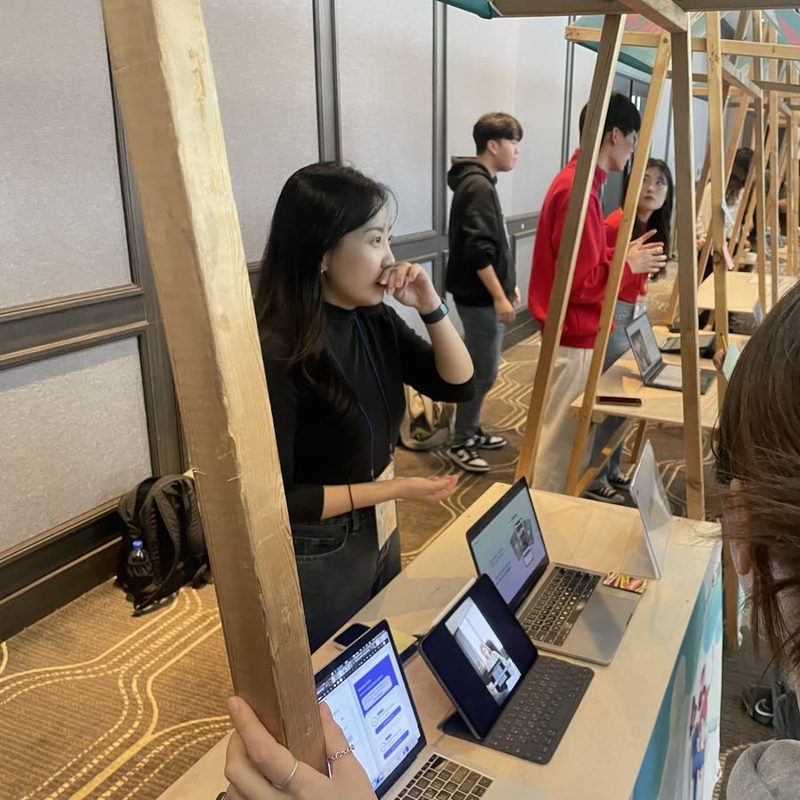
customers were paying us, but not enough to keep a team of five or six alive. we dreamed of going global and kept circling inside korea. so we turned around. that became scailout: helping korean teams get into new markets. the dots connected. it's the work i did in my second year, thirteen years later, with everything i've learned since. at ces 2026, we were on the floor with four client teams. one founder was running the booth with two developers and couldn't step away, so a local talent we matched took over booth conversations and lead sorting. several meetings were booked before the show even opened. "this time it actually led to the next meeting," one client told us.
so far
we've pivoted dozens of times. we started with a service for job seekers and moved to companies, then went from hiring to global gtm. a lot of what we built, we shut down. so i know which roads don't work, because i walked them. my job now is to keep the teams we work with from walking them again.
my superpower
i’ve always loved people with a light in their eyes. i want to know what made them who they are, what they care about, and who they’re trying to become.
that’s probably why i’ve cared so much about hiring throughout my career.
but liking people and seeing their potential are two different things.
when i was helping job seekers through jiwon, i read a lot of resumes. but i was rarely interested in just what they’d done. i wanted to know why they’d done it.
sometimes, in the middle of a conversation, i’d see someone’s eyes light up.
that’s when i’d start asking more questions. i’d keep digging, because that was often where their real motivation, and sometimes a strength they hadn’t recognized, started to show.
i think that’s one of my strengths. seeing potential in people, sometimes before they see it in themselves.
i also have my own way of building trust. most people open up after building trust. i tend to build trust by opening up first. i share my failures and uncertainties, too. and often, that makes it easier for others to be themselves.
i don’t always get people right. but i’ve learned to trust this instinct, and to keep getting better at it.
why
i believe potential is everywhere. opportunity isn’t.
i’ve spent my career discovering possibilities in products, markets, and people. but discovering potential isn’t enough.
i’ve met so many talented people who didn’t have the right environment, the right connections, or even the chance to discover what they could do.
i don’t think someone’s potential should be limited by where they were born, what language they speak, or who they happen to know.
that’s also why i’d rather build with a team than be a solo founder. i love working with smart people who are good at things i’m not. i think we can build something much bigger together.
by smart, i don’t mean a big-name resume. i think the smart that matters from here on is what ai can’t find: the things you just sense without anyone saying them. everyone on our team is good at picking those up.
and our backgrounds are really different. i fall for the eventful resume, not the impressive one. someone who suddenly spent two months working part-time in india. someone whose hobby is k-dance. someone who started in culture and tourism studies and became a developer.
at in10s lab, we believe identity comes first. understand what people are good at, build systems where they can thrive, and help turn their work into real impact.
i’ve seen how differently opportunities flow in places like san francisco, hong kong, and singapore. and i’ve seen great teams struggle to enter new markets, not because their technology wasn’t good enough, but because they didn’t know the right people or how business works there.
language is only part of the problem. there’s a cultural sales gap — knowing who to talk to, how to build trust, and what needs to be translated beyond words.
i want to build the systems and data that help close that gap.
i believe potential is everywhere. i want opportunity to be, too.
around
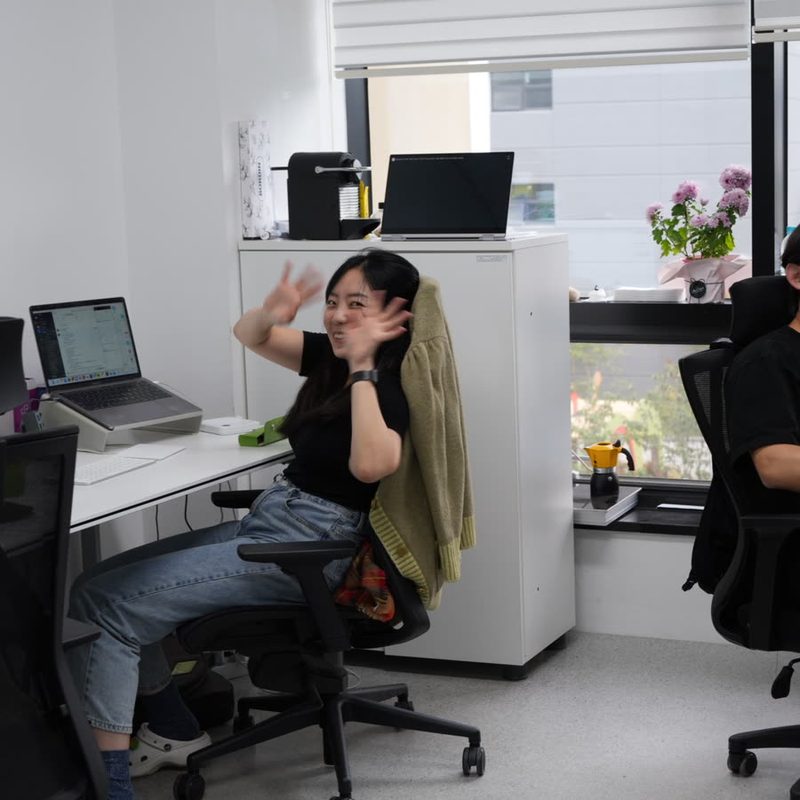
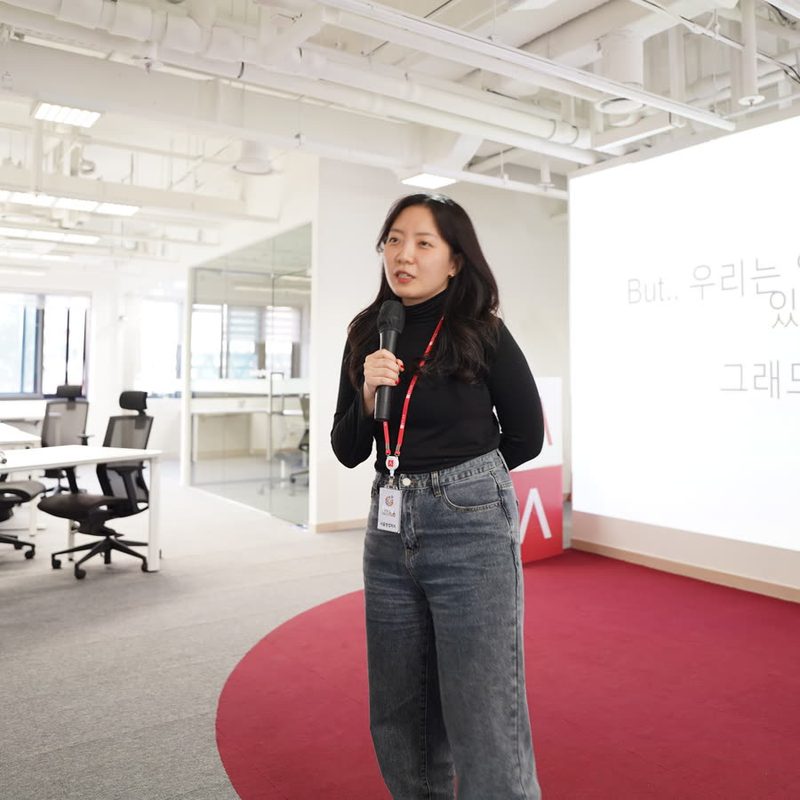
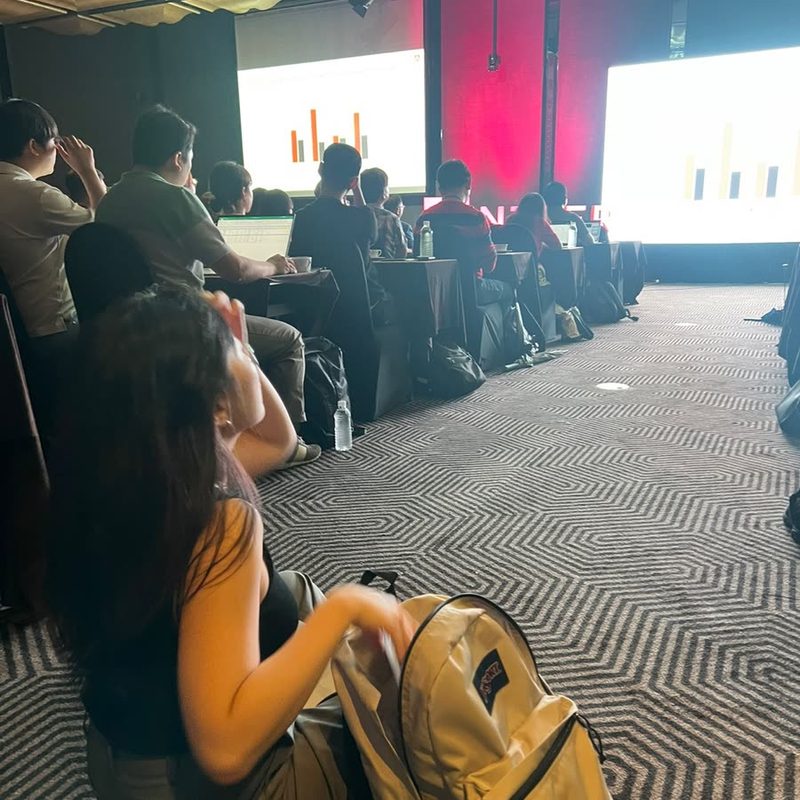
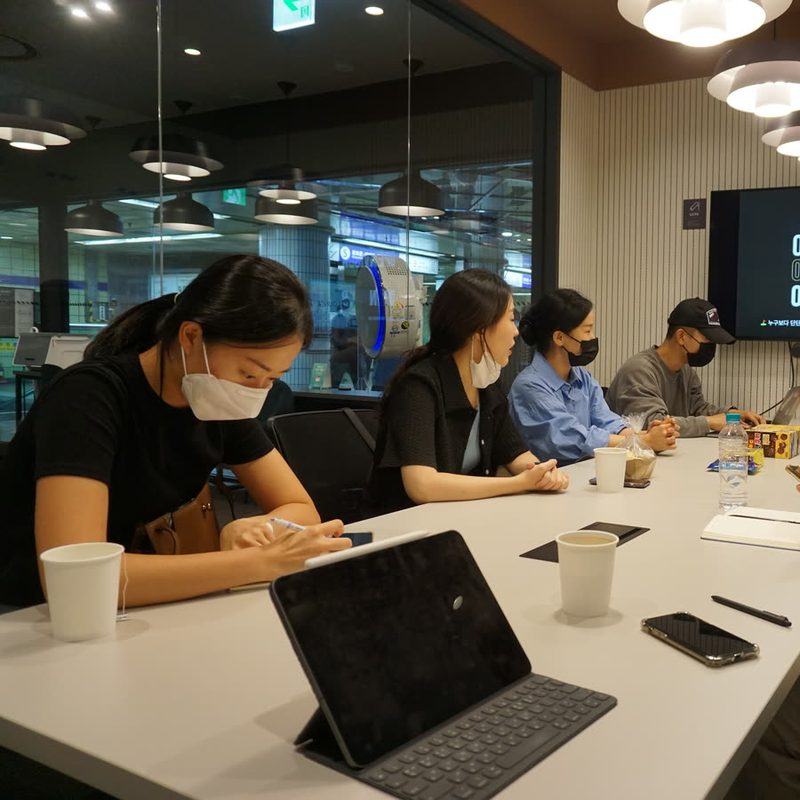
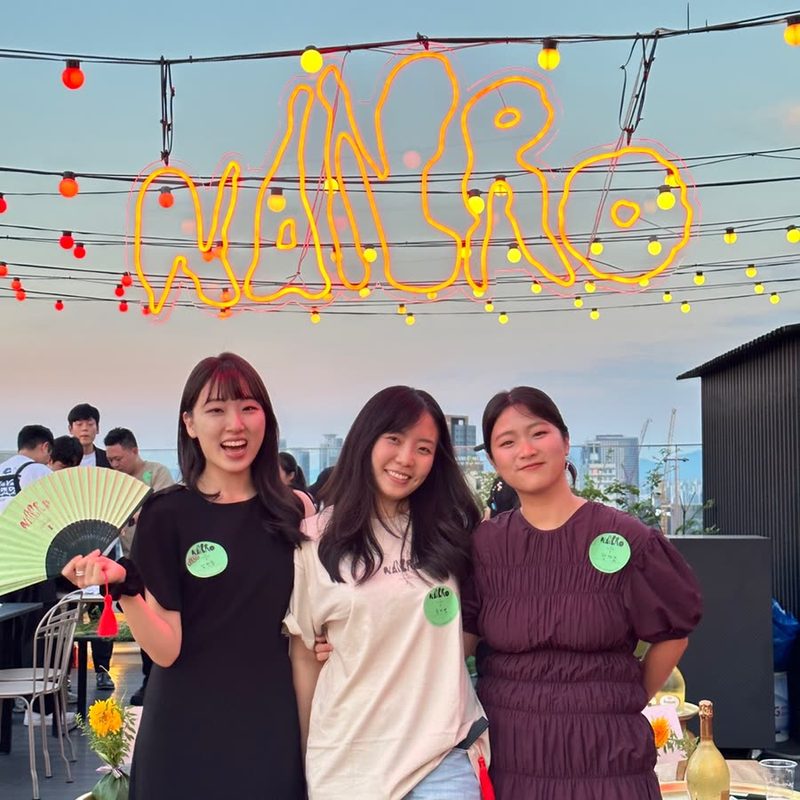
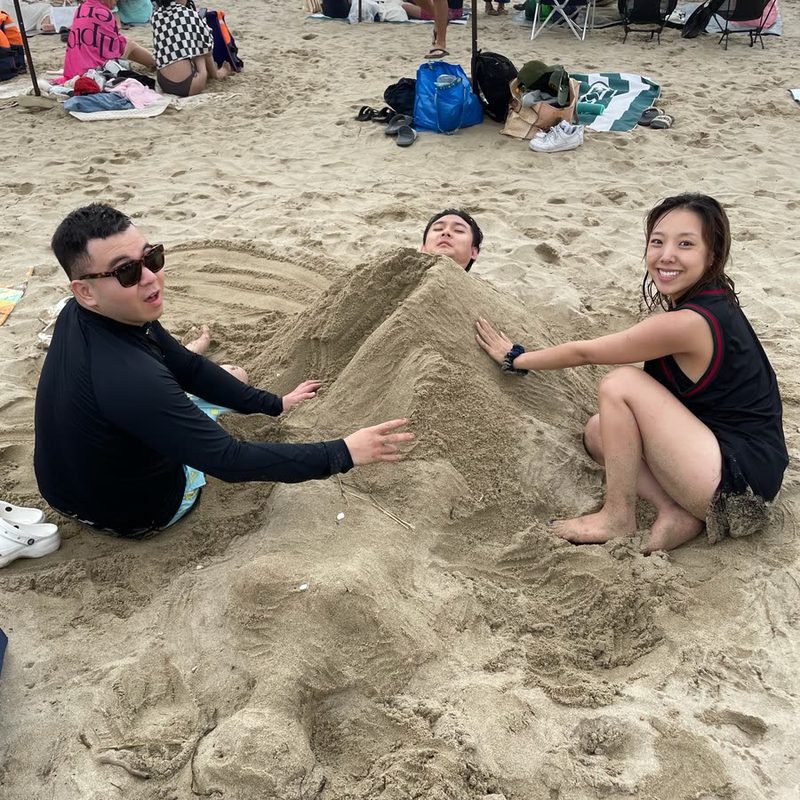
booth dayofficespeakingconference floortable talkrooftop nightsandcastleshow night
writing
i write sometimes about what i learn in the field.